
Service
Seawall Stabilization
Certified, eco-friendly polyurethane resin injected behind your seawall, bulkhead, or retaining wall. About half the cost of full replacement. 10-year warranty. Fills voids, binds the soil, and stops the sink. No demolition, no barges, no marine impact.
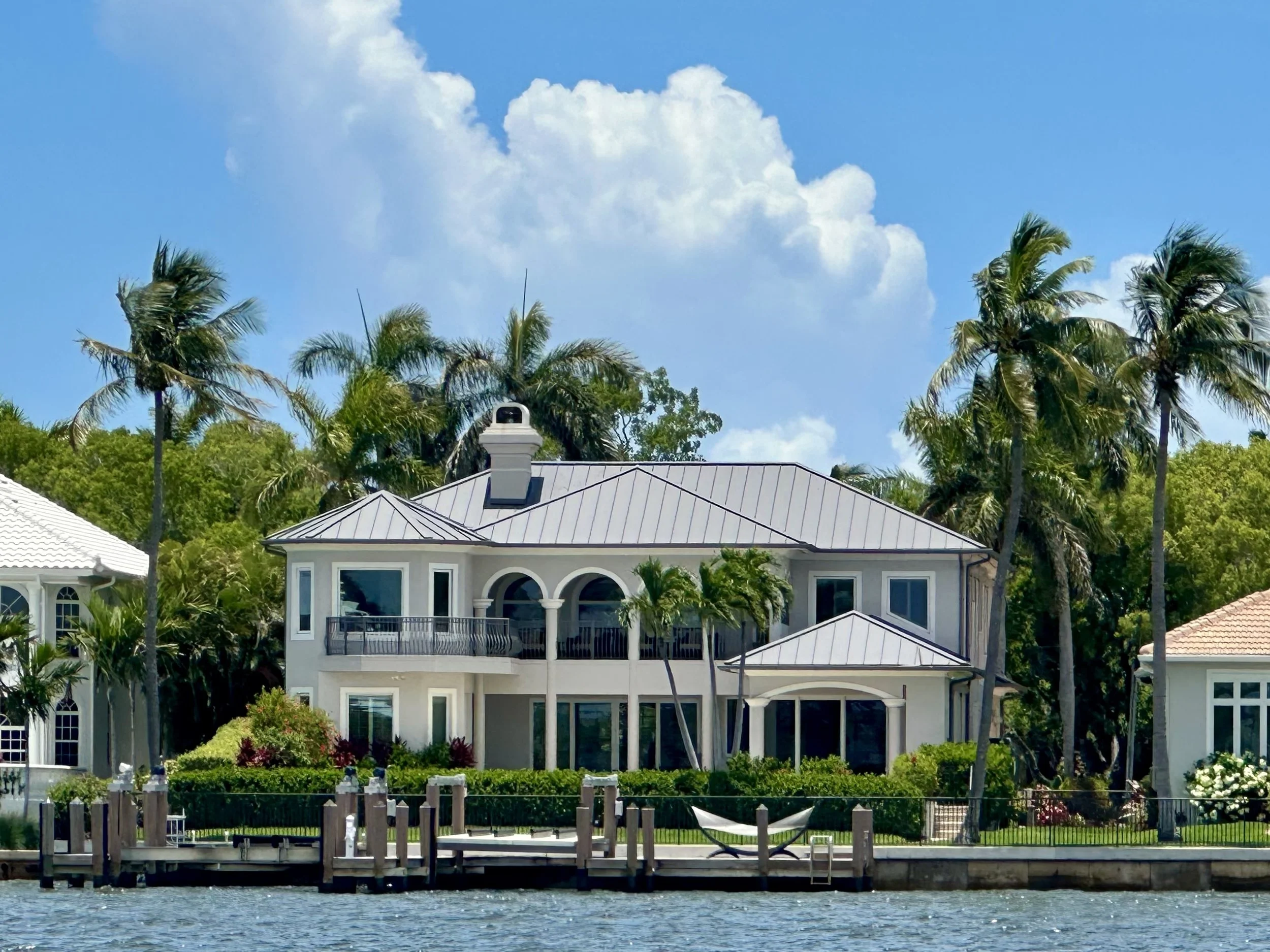
How it works
At the heart of our seawall stabilization system is a certified, environmentally friendly polyurethane resin: the next-generation solution for coastal erosion and soil stabilization in Southwest Florida.
We inject the resin deep into the ground behind your seawall, bulkhead, or retaining wall, targeting the voids, depressions, and erosion channels created by tide action and soil loss. As the resin expands, it permeates the surrounding soil, fills every space, and binds the loose material into a solid, reinforced mass. The result: a stabilized soil structure that supports the wall without adding weight or stress.
What to look for: 5 signs your seawall needs attention
The earlier we get to it, the cheaper the fix. Catch a wall in the early-warning stage and you’re looking at about half the cost of full replacement. Wait until the wall itself tilts, leaks, or collapses and you’re into a full marine-contractor rebuild (industry average ~$1,300 per linear foot, frequently $100,000+).
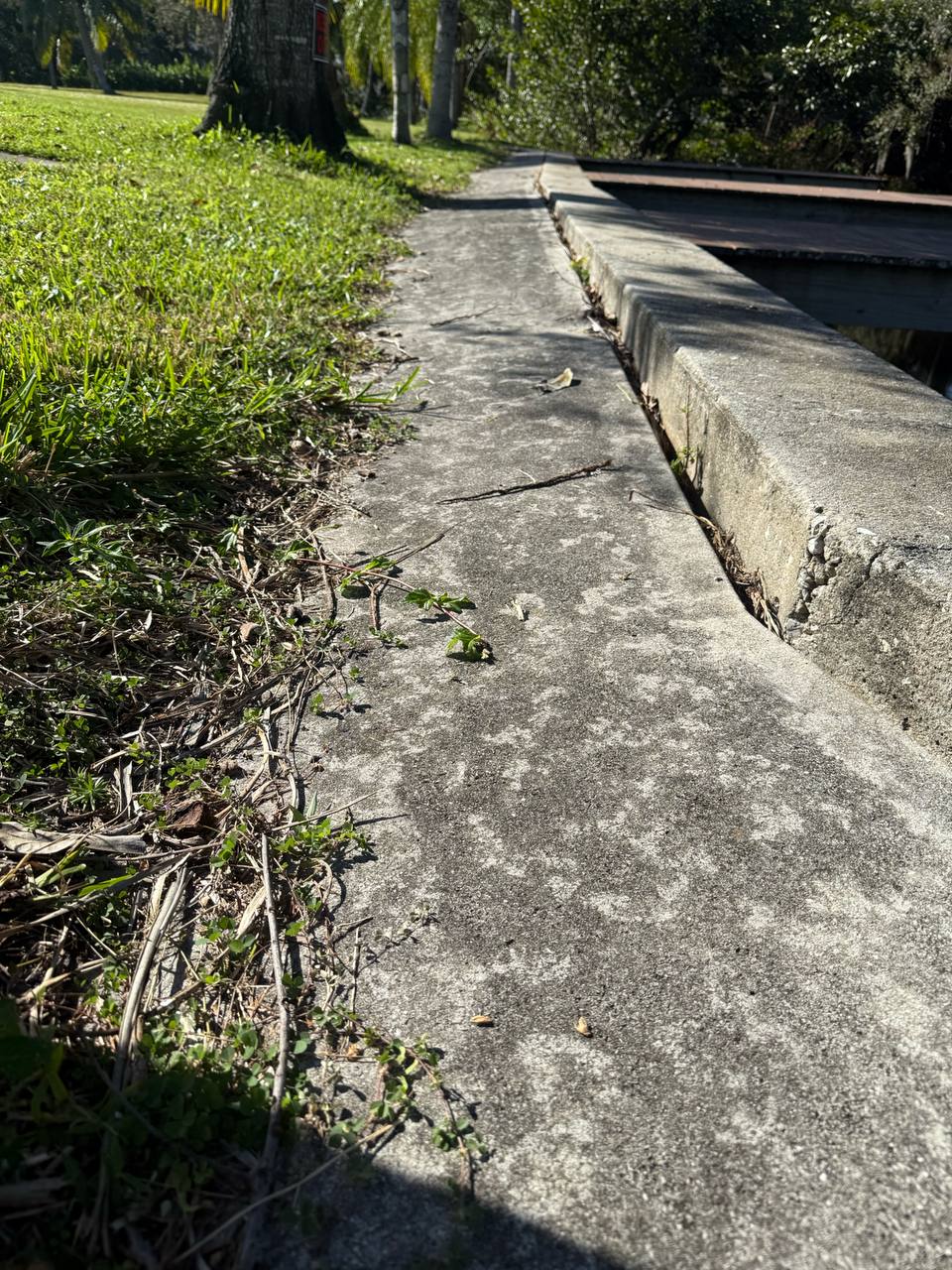
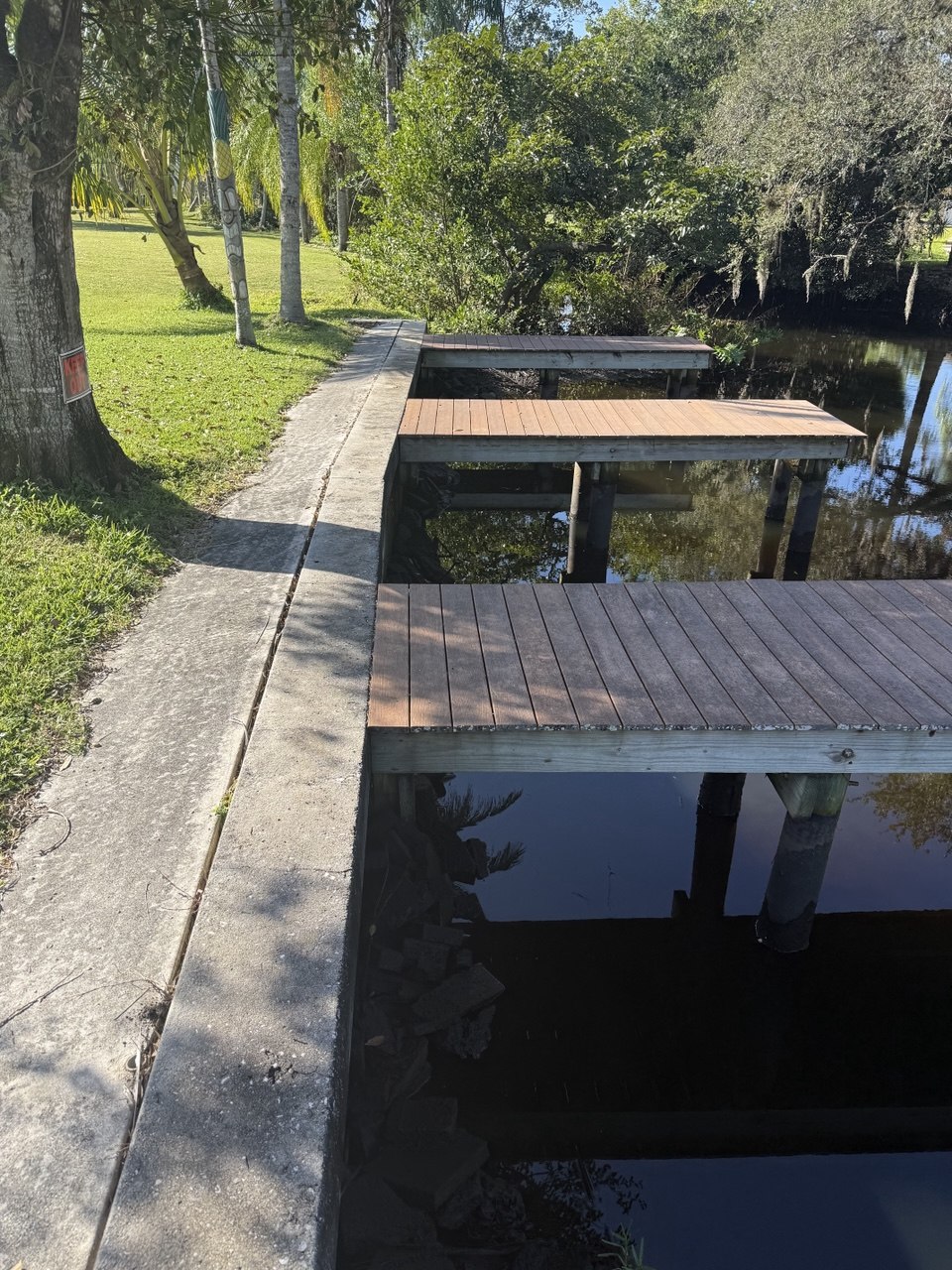
Sinkholes, voids, or depressions behind the cap
Soft spots, low spots, or visible cavities in the lawn, landscape, or hardscape directly behind the seawall. Often the first sign, and the cheapest to fix.
Leaning, bowing, or rotating slabs
Wall sections tilting seaward, bulging outward, or rotating out of alignment. The structure is moving. Schedule an inspection immediately.
Soil washing out through weep holes
Discolored water, sand streaks, or active flow through the weep holes during tide changes. The wall is now the drainage path. We seal the channels and install proper drainage to relieve hydrostatic pressure without losing more soil.
If you’re seeing any of these, get a free inspection on the calendar. We’ll tell you whether you need full stabilization, a targeted void-fill, or just monitoring. Not every wall needs work right now, and we’ll say so when it doesn’t.
Why not concrete grout?
Filling voids with concrete is a common, expensive mistake. Concrete is heavy and brittle. It sinks into weakened soil, creates new voids beneath itself, adds lateral pressure on the wall, and ultimately makes the failure worse. It also takes weeks of equipment on your property and forces you off the hardscape during cure.
Polyurethane is engineered to be lightweight yet durable, exactly what a coastal soil column needs. It cures in minutes, restores walkable surface within hours, and adds no weight to the soil column behind your wall.
What we do
- Soil stabilization. Bind loose, eroded fill behind seawalls, bulkheads, and retaining walls.
- Void filling. Locate and fill the cavities tide action has carved out beneath caps and behind walls.
- Weep hole installation. Engineered drainage that relieves hydrostatic pressure and slows future scour.
- Erosion channel sealing. Close the paths water uses to pull soil out from under your property. Stops leaks measured in gallons per minute.
Environmentally responsible
Our resin is rigorously tested and certified as environmentally friendly. Once cured, it’s chemically inert. No risk to marine ecosystems, recreational water bodies, or drinking water sources. That matters when you’re working inches from the bay.
Key advantages
- 10-year warranty. Every stabilization job is backed by a written 10-year warranty. Not a verbal promise — a document.
- About half the cost of replacement, with a written-estimate price match against any licensed Florida polyurethane contractor.
- Protects your property value. A failing seawall is visible at inspection and tanks waterfront value fast. Stabilization closes that risk before it hits the listing.
- Doubles the life of your wall. A stabilized wall keeps working for decades instead of being torn out at year 15 or 20.
- Lightweight and strong. Stabilizes soil without adding ground stress.
- Eco-certified. Safe for marine life and approved for use near water.
- Minimally invasive. No barges, no demolition, no heavy marine equipment. Most jobs are walk-on the same day.
- Fast-acting. Resin sets in minutes. Return-to-use measured in hours, not days or weeks.
Stabilization vs. replacement
A full seawall tear-out and rebuild in SWFL is a major project: marine contractors, barges or land-side equipment, demolition, permits, weeks of disruption. Industry average runs ~$1,300 per linear foot. Most replacements (with lost soil, lost landscaping, and the rebuild) push past $100,000.
Polyurethane stabilization addresses the actual failure mode, soil loss and voids behind the wall, at roughly half the cost, in a fraction of the time, without removing the wall you already have. If your wall is structurally sound but the ground behind it is failing, stabilization is almost always the right call.
A note on insurance: standard homeowners policies typically do not cover seawall damage outside of named-storm events. Catching the problem early means it stays a maintenance expense instead of a six-figure surprise.
Frequently asked questions
Is polyurethane resin safe for marine life?
Yes. The resin we use is certified environmentally friendly and chemically inert once cured. It's approved for use adjacent to marine ecosystems, recreational water bodies, and drinking water sources.
How long does a stabilized seawall last?
Properly installed polyurethane stabilization typically doubles the remaining service life of your wall. A wall that would have needed replacement in 5–10 years often keeps working for another 20+. Ongoing inspections every few years catch any new soil movement before it becomes a problem.
How long does the work take?
Most residential stabilization jobs are completed in one day. The resin cures in minutes, and you can typically walk on the area the same afternoon. No barges, no marine equipment, no extended closure of your dock or pool deck.
Do I need permits?
Stabilization performed land-side, behind your existing wall, generally falls outside the marine-permit requirements that govern replacement. We'll confirm for your specific property and jurisdiction during the inspection.
Can you really beat any quote?
We match any written estimate from a licensed Florida polyurethane seawall contractor. Bring us the quote (in writing, from a licensed contractor, on a comparable scope of work) and we'll match it. We can do that because we're a local SWFL operation with no franchise overhead.
How do I know if I need full stabilization or just a void fill?
That's what the free inspection is for. Not every wall needs the full treatment. We'll tell you honestly whether you need stabilization across a section, a targeted void-fill in one or two spots, or just monitoring for another year.